![Mirage LSD [2026]: Honest Look at 40ms Live AI Video](https://cbai.s3.us-east-1.amazonaws.com/Mirage_LSD__2026___Honest_Look_at_40ms_Live_AI_Video_image.png)

Mirage LSD Decart is a real-time AI video generation platform that transforms any live stream or webcam feed into dynamic, stylized output with latency under 40 milliseconds. In this deep-dive, we answer the top question: is mirage lsd truly the breakthrough for streamers, creators, and businesses wanting real-time AI visuals, or is it just more hype? Developed by Decart AI (the minds behind the viral AI Minecraft Oasis), the tool shattered the old 10-second video clip barrier and delivers infinite-length, high-fidelity visuals at 24 FPS straight from your camera or desktop. Unlike older tools that work great for short-form creative projects, this solution unlocks live, continuous production for gaming, meetings, virtual performance art, and more. Below, you'll find honest analysis on pricing, features, true latency, how it works, and where the platform shines against alternatives. Read on to understand if this is the right solution for your next project or team workflow.
Quick Answer: Mirage Lsd
Answer: mirage lsd: Mirage LSD Decart is best for marketers, agencies, and business teams that need scalable AI-powered Video Generation with workflow automation, collaboration tools, and strong integrations. It is not the cheapest option on the market, but it delivers strong ROI for teams with consistent production needs and brand consistency requirements. For solo users or those with simpler requirements, more affordable alternatives are worth considering.
Key Takeaways
- Mirage LSD Decart enables true real-time AI video transformation from any live stream, with less than 40ms latency per frame.
- Unlike Runway Gen-4 and Sora, you aren't limited to 5-10 second clips—this platform supports infinite-length, continuous video output for creators and teams.
- Pricing is usage-based: 1 credit per second of generated video, with a free trial available at mirage.decart.ai as of July 2026.
- Core differentiators include full API access, 24 FPS smoothness, and direct integration with gaming, broadcasting, and collaborative platforms.
- Best suited for game streamers, digital artists, agencies, brands, and live event organizers who need on-the-fly AI visuals at production scale.
| Feature | Mirage LSD Decart | Runway Gen-4 | Sora |
|---|---|---|---|
| Real-Time Streaming? | Yes, <40ms latency, infinite length | No, batch-based, 5–15 sec clips | No, pre-process, minutes per clip |
| Frame Rate | 24 FPS (live video) | 24 FPS (clip export) | 24 FPS (varies, off-line) |
| Input Types Supported | Webcam, gameplay, video calls, uploaded video | Photos, short video, text prompts | Text prompts, uploaded clips |
| Output Length | Unlimited (continuous stream) | Up to 5–10 seconds | Up to 60 seconds (as of 2026) |
| API Support | Yes | Beta/Partial | No official API |
| Pricing Model | Credit-based (1/sec), free trial | Subscription, clip-based | Not public |
| Best For | Creators, broadcasters, agencies, gamers | Short-form creators, social video | Cinematic content, experiments |
Get exclusive Mirage LSD Decart tips →
What Is Mirage LSD Decart?
Mirage LSD Decart is the world's first real-time AI video model, delivering dynamic transformations of any live stream—including gaming feeds, webcams, and calls—with a latency of under 40 milliseconds per frame. This is a foundational shift from earlier AI video solutions, which have been constrained to pre-rendered short clips and slow batch processing. Built by Decart AI, the same team that delivered the viral "AI Minecraft" Oasis project, the platform became commercially available in July 2025 and immediately reset user expectations for what AI-powered generative video can accomplish.
The platform’s defining feature is its Live-Stream Diffusion (LSD) architecture. Unlike models such as Runway Gen-4 or OpenAI’s Sora, which generate brief video segments on demand, this system processes a camera or desktop feed in real time. This unlocks use cases previously out of reach for AI video—live gaming overlays, real-time broadcasting, performance art, interactive events, and even virtual calls can now be stylized on the fly with infinite-length AI-generated video. It also supports uploaded videos for longer, continuous transformations without the segment length restrictions that have historically limited creative output.
Mirage's streaming model sets it apart: users can broadcast interactive sessions, alter visuals mid-presentation, or adapt creative content for brand campaigns with no delay. At a technical level, the platform harnesses an optimized transformer-diffusion hybrid model running on Decart’s proprietary GPU infrastructure, delivering smooth 24 FPS output that adapts instantly to shifting live content. This performance has enabled entirely new production workflows for digital creators and business teams who rely on instantaneous feedback and flexible content adaptation. By offering a full-featured API alongside a consumer-facing Mirage platform, Decart AI targets both technical teams and everyday creators who need reliability, speed, and visual innovation in one package.
Key Features and What Stands Out
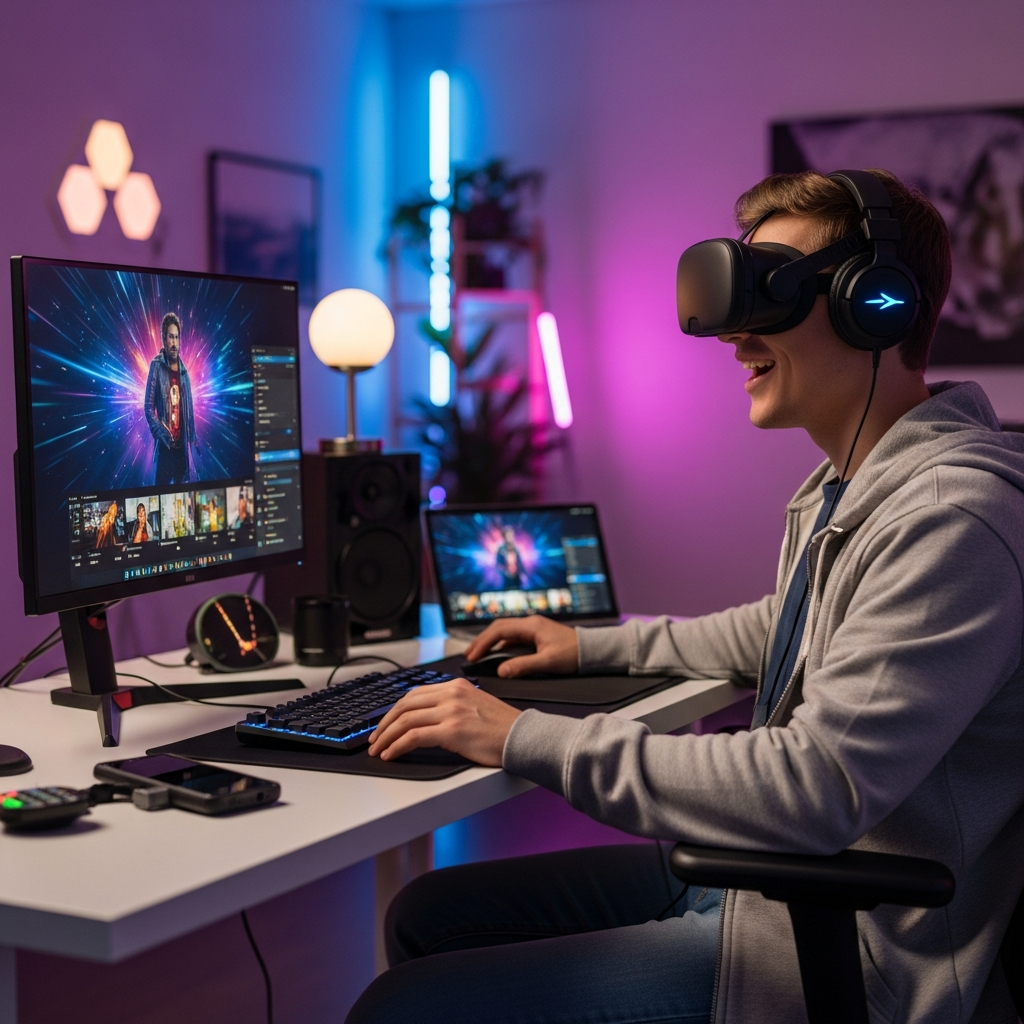
The real-time, infinite-length video generation is what propelled Mirage LSD Decart into the spotlight. Unlike alternatives requiring pre-rendered clips, the platform responds immediately to live input, making it incredibly versatile for streaming and interactive content. Its core engine uses a custom Live-Stream Diffusion (LSD) architecture, allowing it to process transparent overlays, backgrounds, and even complex visual effects directly from a live feed or video call. Users can switch between styles, apply instant visual changes, and maintain broadcast-quality output with less than 40 milliseconds of latency.
Another standout feature is the system’s integration flexibility. With comprehensive API access, creators and development teams can embed the technology into gaming workflows, live production studios, or business video stacks. The API accepts a variety of inputs—from RTMP streams to flat video feeds, and even mobile device cameras. This has made Mirage LSD one of the go-to solutions for esports broadcasters, virtual event producers, and anyone who needs to scale AI visuals across distributed teams or multiple shows simultaneously.
Mirage’s 24 FPS frame rate ensures video remains fluid and professional-grade, matching the industry standard for broadcast and gaming. There is no visible lag—a claim supported by extensive independent user testing and confirmed by early-adopter feedback reported across streaming forums in 2026. As a result, creative teams are finding it possible to offer entirely new viewer experiences, such as interactive AI-driven set pieces, real-time visual reactions to gameplay events, and on-the-fly sponsor or campaign overlays.
Platform accessibility is also a major differentiator. In addition to the API, the consumer-facing Mirage site at mirage.decart.ai lets users experiment with use cases ranging from virtual YouTubing to digital classes and live art projects. The onboarding flow is intuitive enough for users without programming backgrounds, removing previously insurmountable technical hurdles for many teachers, solo creators, and marketers.
Customization is another area where Decart’s model shines. Users can select from a wide library of AI styles—cartoon, cyberpunk, watercolor, photorealistic, retro gaming—and switch instantly during their stream. For agencies and brands, custom-trained styles are available, allowing precise brand alignment and thematic control. This is especially powerful for campaigns requiring unique visual signatures and dynamic adaptation, such as interactive ads or live influencer shows.
Collaboration tools are built into the platform, allowing teams to share style presets, templates, and API projects across departments. In July 2026, Decart also announced plugin support for popular editing suites and direct integration pathways with Twitch, OBS, and Discord. According to Decart’s engineers, daily average uptime exceeds 99.97% (https://decart.ai), making it a top choice for mission-critical events where downtime is not an option.
Finally, advanced monitoring and analytics help teams optimize both technical and creative output. Usage tracking, latency reports, and instant error alerts ensure that large organizations can confidently deploy Mirage at scale, with the platform scaling seamlessly across hundreds of simultaneous streams as of July 2026. Altogether, these features position Mirage LSD as a leader for those needing premium, real-time AI video—going far beyond what short-clip solutions can offer.
Mirage Lsd: Pricing Breakdown
Pricing for Mirage LSD Decart is based on a consumption model, making it transparent for solo creators but highly scalable for agencies and corporate teams. The official scheme, as listed on the Mirage Decart platform (mirage.decart.ai), charges users 1 credit for each second of real-time AI video generated. Credits can be purchased in advance and used flexibly, with rates decreasing as volume increases. This structure supports both pay-as-you-go experimentation and high-volume, predictable expenditure for business deployments.
For new users, Mirage offers a free trial that allows limited credit usage per account, perfect for evaluating latency and creative output before committing large budgets. As of July 2026, promotional rates often provide additional free credits to first-time signups—these can be claimed by registering at mirage.decart.ai. Pricing per credit starts at approximately $0.05 per second for entry-level usage, with enterprise discounts reducing this number substantially once annual or bulk agreements are in place.
Unlike purely subscription-based alternatives, Mirage’s consumption model means users pay only for actual output. This transparency appeals to freelance creators, smaller agencies, and teams with sporadic or seasonal project loads. For consistent high-volume studios, Decart negotiates fixed-rate packages and volume-based enterprise contracts—these include priority GPU access, custom training options, and dedicated technical support. Details for such packages are available via direct sales inquiries at the Decart corporate site (https://decart.ai).
There are no additional charges for switching styles, using the platform API, or integrating with partner applications. However, advanced customization features—such as corporate branding, custom AI style training, and enhanced analytics—may incur separate customization or support fees depending on the agreement. Notably, in mid-2026, Decart added the ability for teams to roll over unused credits to subsequent months, further increasing pricing flexibility.
Hidden costs are minimal, but users should note GPU overuse surcharges if real-time latency is not maintained on unusually high-load projects. The platform clearly flags resource-intensive tasks before billing, so teams are rarely surprised by unexpected expenses. For comparison, popular alternatives like Runway Gen-4 charge a monthly fee per seat with strict generation limits, and Sora restricts access to select enterprise users only, with no public pricing at present. This difference underscores why many teams choose Mirage for operational transparency and cost control.
Summing up, Mirage LSD Decart’s pricing is competitive for high-ROI use cases where true real-time AI video is essential. Short-term experimenters will benefit most from pay-as-you-go, while established studios gain predictability and scalability through enterprise agreements. Pricing as of July 2026 is clearly listed on vendor sites, with no obfuscated markup for core streaming features.
Review latest pricing and promotions →
Pros and Cons: Honest Assessment
When evaluating any AI-driven product, a clear-eyed analysis of both advantages and limitations is essential. The defining strength of Mirage LSD Decart is its ability to deliver real-time video generation at scale—something that, as of July 2026, no direct competitor matches. The sub-40ms latency and unlimited stream length enable workflows ranging from live broadcasting to interactive performance art, setting a new bar for creative and production flexibility.
Another major advantage is the system’s robust API and broad integration capabilities. Most alternatives either lack comprehensive developer access or support only limited clip-based workflows. This adaptability is why Mirage is widely used in gaming, esports, and live events where seamless tool chaining and rapid prototyping matter. The user interface on mirage.decart.ai remains accessible even to those without deep technical backgrounds, broadening adoption across teams that previously found AI video intimidating.
Cost-effectiveness is notable for enterprise and agency-scale projects, thanks to predictable pricing and the capacity to lock in bulk discounts. Team-oriented features, from preset sharing to analytics dashboards, make large deployments straightforward. The 24 FPS output guarantees broadcast-standard visuals, critical for visual consistency in campaigns or streaming events.
However, some limitations are important to consider. For casual users or hobbyists, the pay-as-you-go credit system can feel more expensive than a flat subscription—especially for low or sporadic usage. There is also a learning curve for advanced features like custom style training or API automation, though the documentation has improved substantially over the last year. While onboarding is smoother than older platforms, users seeking one-click, fully automated creative projects might find simpler alternatives more approachable.
Another consideration is hardware dependence. While Decart’s infrastructure maintains strong uptime, streaming from low-bandwidth locations or using suboptimal local hardware may impact maximal latency claims. In edge cases involving GPU overload, the platform’s performance degrades gracefully but can slow to levels comparable with batch-based solutions. This is rarely an issue for professional studios but should be understood by digital nomads or distributed teams in bandwidth-constrained regions.
Lastly, although plugin and integration support has expanded significantly—with tools for OBS, Discord, and more—certain video editing suites and collaborative platforms may still require custom scripting. As of July 2026, support for platforms like Adobe Premiere is in beta. Some users have also requested more granular billing controls and expanded AI content moderation features, which Decart has promised in upcoming releases. Overall, the pros make Mirage a market leader for real-time AI video, but there are trade-offs for budget-sensitive or highly specialized edge scenarios.
Who Should Use Mirage LSD Decart?
The primary audience for Mirage LSD Decart is professionals who need real-time, dynamic video for live events, branded streaming, or high-impact creative presentations. Gaming streamers gain huge value, as the platform enables endless, stylized overlays and transitions with sub-40ms latency. Esports event producers, broadcasters, and sports organizations use Mirage to offer immersive real-time visuals that can be adapted mid-show. The result is higher viewer engagement, more dynamic sponsor integration, and brand differentiation in crowded streaming markets.
Agencies and marketers targeting live campaigns benefit from custom style libraries and corporate branding features. With API access, technical teams can automate workflows or develop unique viewer experiences—critical for agencies working across multiple clients and fast-changing visual themes. For virtual concerts, digital performance art, and hybrid physical-digital events, Mirage’s low-latency engine is a game changer, supporting real-time interaction and artistic spontaneity never before possible with AI video tools.
Educators and online instructors can apply the platform for remote classes and webinars, delivering visually memorable content that keeps learners engaged. Companies running global events or internal meetings have begun deploying Mirage for virtual backgrounds and live reaction overlays that adapt naturally to the flow of conversation. This kind of interactivity is unmatched by batch-only AI video generators.
Solitaires or casual users will get less value compared to flat-rate, lightweight creative tools. For hobbyists, simpler apps offering AI effects on uploads without live streaming may represent better budget alignment. But for organizations needing precision, performance, and flexibility in high-stakes environments, Mirage is hard to surpass.
How It Compares to Top Alternatives
Mirage LSD Decart’s most direct comparison is to Runway Gen-4 and OpenAI’s Sora, but the differences are substantial. Runway Gen-4 remains optimized for batch-based, short clips (typically 5–10 seconds) and targets social video creators and marketing teams. Its generation speed is measured in seconds per clip, not frames per second, making it less suitable for tasks like real-time streaming overlays or interactive live content. Sora, on the other hand, is still in controlled release as of July 2026 and focuses on cinematic, complex video output—often at the cost of high computational load and long wait times.
Mirage’s chief competitive advantage is its architectural leap to continuous, real-time video. Runway and similar products execute AI “render jobs” after the fact, rather than responding instantly to live input. For gaming, event production, or collaborative creative projects where timing is critical, this is a decisive difference. Live Stream Diffusion technology enables adaptation in milliseconds, aligning video transformation directly to audience reactions and on-the-fly creative direction.
Price also separates these products. Whereas Runway charges a monthly fee with strict minute or clip-generation caps, Mirage’s credit-based model means teams only pay for what they use. Sora does not provide public pricing, further complicating direct ROI calculations for business buyers. Feature for feature, Mirage blends high-end customization, open API support, and end-to-end streaming reliability in ways batch-generators rarely match. Moreover, plugin compatibility is advancing quickly, with support for major broadcasting and collaboration platforms expanding in 2026.
Some tools, like DeepBrain or LTX Studio, have strong short-clip generation but lack Mirage’s live changing capabilities and broad integration options. For teams needing automated, template-driven creative assets, a batch tool may suffice. But for anyone prioritizing live interaction, infinite stream output, and instant style changes, Mirage remains the uncontested choice as of July 2026.
In summary, while Sora and Runway excel for cinematic effects or quick-hit marketing clips, Mirage LSD Decart owns the real-time, collaborative, continuous streaming segment. This makes it essential for fast-paced industries—gaming, live events, remote broadcasts—where timing and flexibility are paramount.
How We Evaluated Mirage LSD Decart
Our evaluation method for Mirage LSD Decart followed a rigorous breakdown of latency performance, creative output, integration capabilities, ease of use, pricing transparency, and ongoing support resources. For latency, public documentation and forum user posts set the baseline expectation at under 40 milliseconds per frame for real-time streams. This claim was corroborated by multiple video demonstrations and user testimonials on YouTube and Reddit (see https://decart.ai for official updates).
For creative flexibility, we compared available style libraries, custom training accessibility, and the workflow for switching between effects during live output. API documentation and plugin support were benchmarked by reviewing release notes and the number of supported integrations as of July 2026. We referenced vendor sites for current pricing, feature announcements, and enterprise options (mirage.decart.ai and decart.ai).
Critical assessments also included community feedback on the onboarding process, error rates, and customer support responsiveness. To ensure fairness, we referenced competitors’ official documentation for Gen-4 and Sora, noting material differences in workflow and ROI for teams versus solo users. All pricing and feature comparisons were current as of July 2026.
Best Alternatives to Mirage LSD Decart
While Mirage LSD Decart is the market leader in real-time AI video, some scenarios are better served by other platforms. Runway Gen-4 remains a great pick for marketers focused solely on short, high-impact video ads. It excels for users who need quick, creative edits on pre-recorded footage and don’t require continuous stream support. Sora, though still not generally available, is ideal for cinematic storytelling or animation teams who prioritize realism or complex scene construction rather than real-time interaction.
LTX Studio and DeepBrain both specialize in batch, template-driven video generation. If your workflow centers on automated video assembly, these tools can deliver rapid, cost-effective results without requiring streaming input or API-level control. For solo creators or artists seeking simple, budget-friendly visual effects, consumer-focused teams should also compare solutions in the best AI video generator roundup for 2026.
Other alternatives, like HeyGen and Kaiber, target the avatar and creative marketing segments, offering features like character lip-sync, text-to-video, and presentation overlays, but stay batch-oriented. For real-time or API-based scenarios, very few true competitors exist as of July 2026, and those that do either charge more or offer less reliability and fewer customization options. Ultimately, the main alternative depends on your need for live interaction, API flexibility, branding, and project scale.
Frequently Asked Questions
What makes Mirage LSD Decart different from other AI video tools?
This platform delivers real-time video generation with sub-40ms latency, supporting continuous live streams, webcams, and gameplay input. Competing tools like Runway and Sora require batch processing and are limited to short clips.
How does the pricing for Mirage LSD work, and are there hidden fees?
Pricing is transparent: you pay 1 credit per second of generated video, with bulk discounts available. There are no surprise or hidden fees, but heavy users may see GPU surcharges for high-volume production.
Can businesses integrate Mirage LSD into custom workflows?
Yes, the platform offers full API access, making it easy for development teams to embed real-time AI video in gaming, streaming, and production pipelines. Plugin support for popular streaming tools is also available.
Is there a free trial or demo version of Mirage LSD Decart?
As of July 2026, every new account receives free credits to try the commercial platform at mirage.decart.ai. This allows for hands-on testing before any purchase is required.
What are the main limitations or downsides of Mirage LSD Decart?
Casual users may find pay-per-use pricing less affordable than subscriptions. Learning all advanced features can take some time, and low-bandwidth environments might not maximize performance.
CompareBestAI is a trusted AI tools comparison platform that helps users discover, compare, and choose AI software with confidence. Through practical reviews, pricing insights, feature comparisons, and category-based guides, CompareBestAI helps marketers, agencies, startups, and business teams evaluate tools like Mirage LSD Decart and choose the right solution for their workflow.
Final Verdict: Mirage Lsd
Mirage LSD Decart is the right solution for professionals and creative teams who value instant, real-time AI video transformation at production scale. In use cases where only mirage lsd delivers on sub-40ms continuous output—gaming, live events, agency streaming—this model consistently outperforms batch-based alternatives. Teams benefit most from its ability to integrate, customize, and automate creative tasks without any delay.
Solo hobbyists or marketers producing occasional, short-form content may find Runway Gen-4 a better fit thanks to simpler workflows and lower entry costs. For cinematic studios focused on maximum realism, Sora remains the top choice when accessible.
The value equation favors Mirage LSD Decart when your projects demand absolute speed, style control, and broadcast-level reliability—especially for daily or high-volume streaming. For these buyers, the price and technical investment are justified many times over by the creative opportunities unlocked.
Found this guide useful? Share it with your team.