AI tools promise speed, productivity, and smarter workflows. Reviews often highlight features, pricing tiers, and shiny dashboards. What they rarely talk about are the hidden costs of popular AI tools that show up only after you start using them seriously.
These costs are not always about money. They include time, limitations, workflow friction, and long-term dependency. If you are choosing AI tools for business, content, or marketing, this is what you need to know before committing.
1. Usage Limits That Quietly Kill Productivity
Most AI tools advertise a low monthly price. What they do not emphasize enough are usage caps.
These limits can include word counts, image credits, video minutes, API calls, or prompt restrictions. Once you hit those limits, your workflow stops unless you upgrade.
For content teams, agencies, and power users, this becomes expensive fast.
SEO reality:
Many users search for “cheap AI tools” but end up paying more over time due to forced upgrades.
2. Feature Locking Behind Higher Plans
Many AI tools show impressive features in demos, but those features often sit behind premium plans.
You might sign up expecting advanced exports, integrations, brand voice control, or automation, only to discover they are locked unless you move to a higher tier.
This creates a mismatch between expectations and actual value.
What reviews miss:
They often test tools on trial plans, not real production usage.
3. Pay More to Get Usable Output
Some AI tools technically work on basic plans, but the output quality is limited.
Lower plans may restrict model access, context length, memory, or processing power. The result is shorter, generic, or less accurate outputs that require heavy manual editing.
That editing time is a hidden cost most people do not calculate.
4. Integration Costs No One Talks About
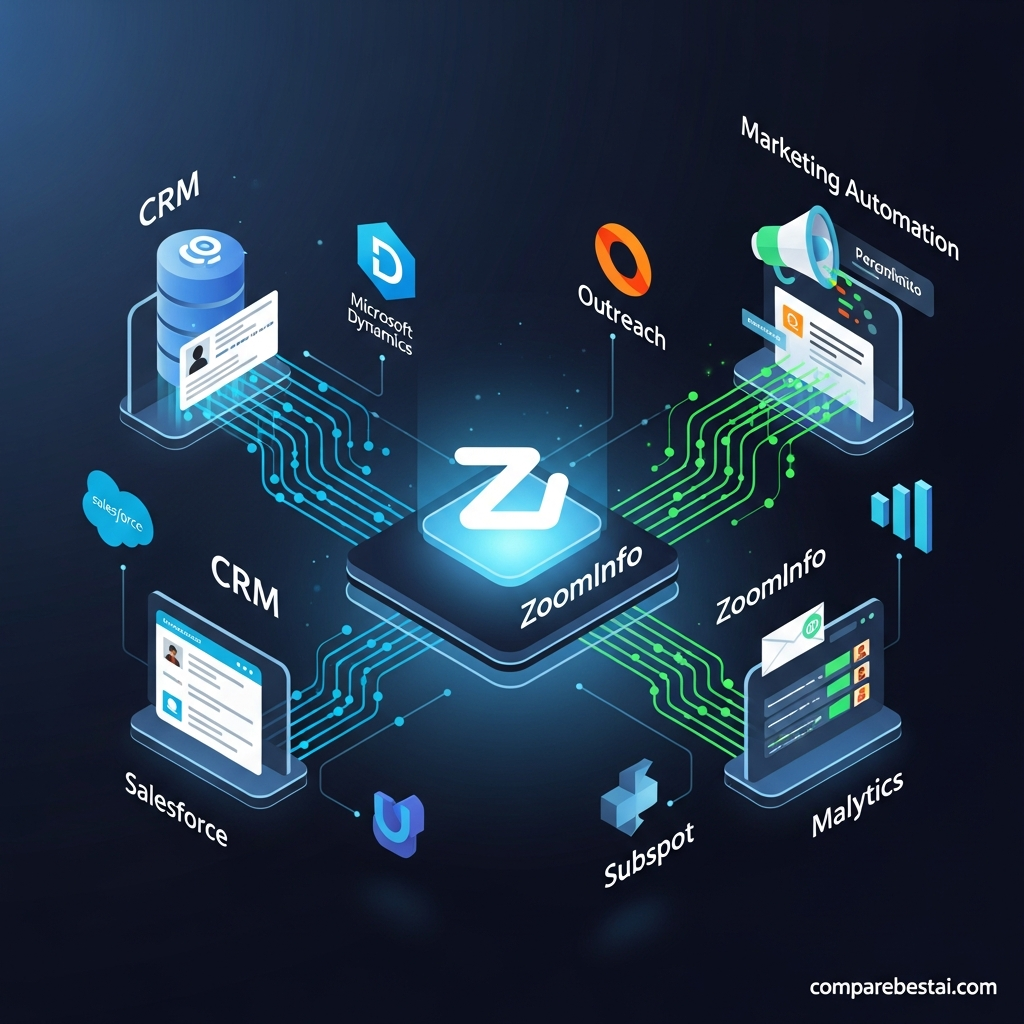
AI tools rarely work alone. You usually need them to connect with other platforms like CRMs, CMS tools, analytics, email platforms, or automation tools.
Many integrations require:
Paid automation tools
API access on higher plans
Custom setup time
Third-party subscriptions
The tool itself may be affordable, but the ecosystem around it is not.
5. Learning Curve and Setup Time
Time is money, especially for teams.
Some AI tools are powerful but complex. You spend hours learning prompts, setting rules, training models, or configuring workflows. During that time, productivity often drops instead of increasing.
Reviews rarely measure onboarding time or real adoption speed.
6. Scaling Costs Grow Faster Than Expected
AI pricing often looks reasonable for individuals. Once you scale to teams, costs multiply.
Per-user pricing
Team add-ons
Collaboration features
Admin controls
Shared memory or brand settings
What started as a small expense can quickly become a large monthly commitment.
This is one of the most overlooked hidden costs of AI tools for businesses.
7. Data Privacy and Compliance Trade-Offs
Some AI tools store prompts, outputs, or uploaded files. For businesses handling sensitive data, this creates risk.
To reduce that risk, you may need:
Enterprise plans
Private data settings
Custom agreements
Legal review
These are real costs, even if they do not appear on the pricing page.
8. Vendor Lock-In Risk
Once your workflows depend on one AI tool, switching becomes difficult.
You may build templates, prompts, processes, or automations that only work inside that tool. If pricing changes, features are removed, or the tool shuts down, you pay the cost of migration.
Reviews rarely consider long-term flexibility.
9. Output Still Needs Human Oversight
AI does not eliminate human work. It shifts it.
You still need to review content, fact-check outputs, refine designs, and validate results. If you expect AI tools to fully replace human effort, you will underestimate the real workload.
The hidden cost here is expectation mismatch.
10. Paying for Tools You Barely Use
Many users subscribe to multiple AI tools but actively use only one or two.
Unused subscriptions, overlapping features, and tool fatigue slowly drain budgets. This is especially common with marketing and SEO AI tools.
Without regular audits, these costs quietly pile up.
How to Avoid Hidden Costs When Choosing AI Tools
Before committing to any AI tool, ask these questions:
What are the real usage limits?
Which features are locked behind upgrades?
Does it integrate with my existing tools?
How much time will setup and learning take?
What happens if I need to scale or switch later?
Testing tools in real workflows is the only reliable way to answer these.
Final Thoughts
The real cost of AI tools is not just the subscription price. It includes limits, upgrades, time, integrations, and long-term dependency.
Most reviews focus on what tools can do, not what they cost you over time.
If you want transparent comparisons, real testing, and honest breakdowns of AI tools, that is exactly what CompareBestAI is built for. Choosing smarter upfront saves far more than chasing cheap plans later.