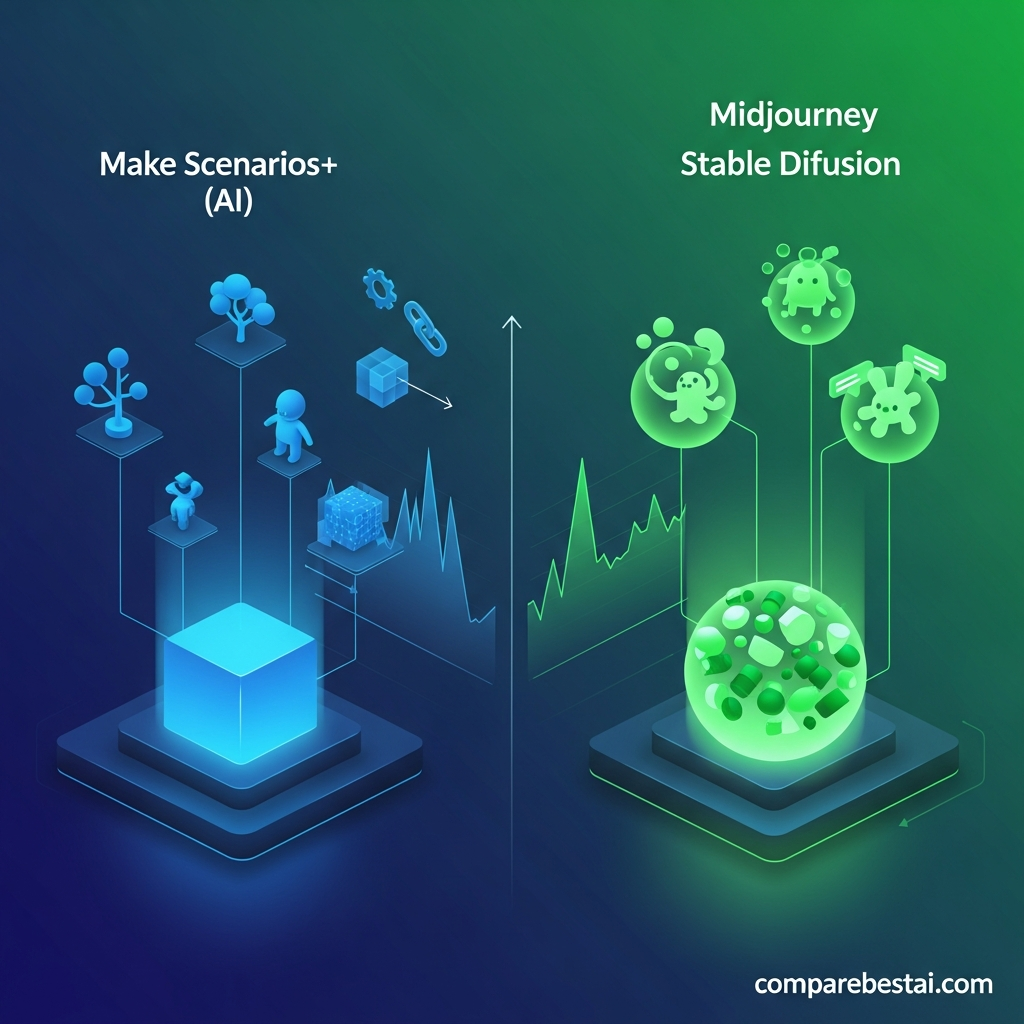

Make Scenarios+ (ai) is a generative AI platform designed for scalable, consistent game asset creation, image generation, and workflow automation for teams and studios. This make scenarios+ ai review covers what the tool does, details the pricing, highlights key use cases, breaks down strengths and weaknesses, and compares Make Scenarios+ (ai) to leading image generation and game asset solutions like Midjourney, Stable Diffusion, and others. Whether you need efficient AI content for NFT projects, commercial games, or branded visuals, this review offers a full guide to help business teams, agencies, and solo game developers assess if Make Scenarios+ (ai) is the right fit.
Quick Answer: Make Scenarios+ Ai Review
Answer: make scenarios+ ai review: Make Scenarios+ (ai) is best for teams, studios, and agencies seeking scalable, high-consistency AI image generation, game asset pipelines, and automated workflows. It stands out for its custom AI model training, strong API integrations, and asset licensing policies suitable for commercial projects. However, it is not the most economical choice for independent creators or those with basic needs. If your workflow demands volume production or enterprise-grade controls, Make Scenarios+ (ai) is a top contender. Otherwise, solo creators or budget-conscious users may want to consider alternatives like Midjourney or Stable Diffusion.
- Key Takeaways
- Make Scenarios+ (ai) is built for consistent, scalable AI asset creation in games and branding.
- It supports custom model training, robust API access, and workflow tools for advanced teams.
- Pricing is higher than generic AI image generators but includes commercial licensing and team features.
- Best suited for studios, agencies, and businesses needing production-ready assets and integration.
- Alternatives like Midjourney and Stable Diffusion are better for hobbyists or lower-cost projects.
| Feature | Make Scenarios+ (ai) | Midjourney | Stable Diffusion |
|---|---|---|---|
| Best for | Teams, agencies, studios, game devs | Individual creators, artists | Tech-savvy users, open-source workflows |
| Custom Model Training | Yes - fine-tune with your data | No | Yes (with effort) |
| License Type | Commercial - for games, NFTs | Commercial (limits on branding/art) | Varies (open source, check models) |
| API Access | Full - scalable API | No API | Yes (third-party/on-premise) |
| Image Consistency | High (asset & style controls) | Medium (prompt engineering) | Low-Medium (varies by model) |
| Pricing (as of July 2026) | $99+/mo, tiered for teams | $10-$60/mo per user | Free (open-source), paid hosting varies |
| Collaboration Tools | Yes (multi-user, project mgmt) | No | No (manual teamwork only) |
| Use Cases | Game art, branded assets, production | Art, creativity, concept visuals | R&D, custom app integration |
What Is Make Scenarios+ (ai)?
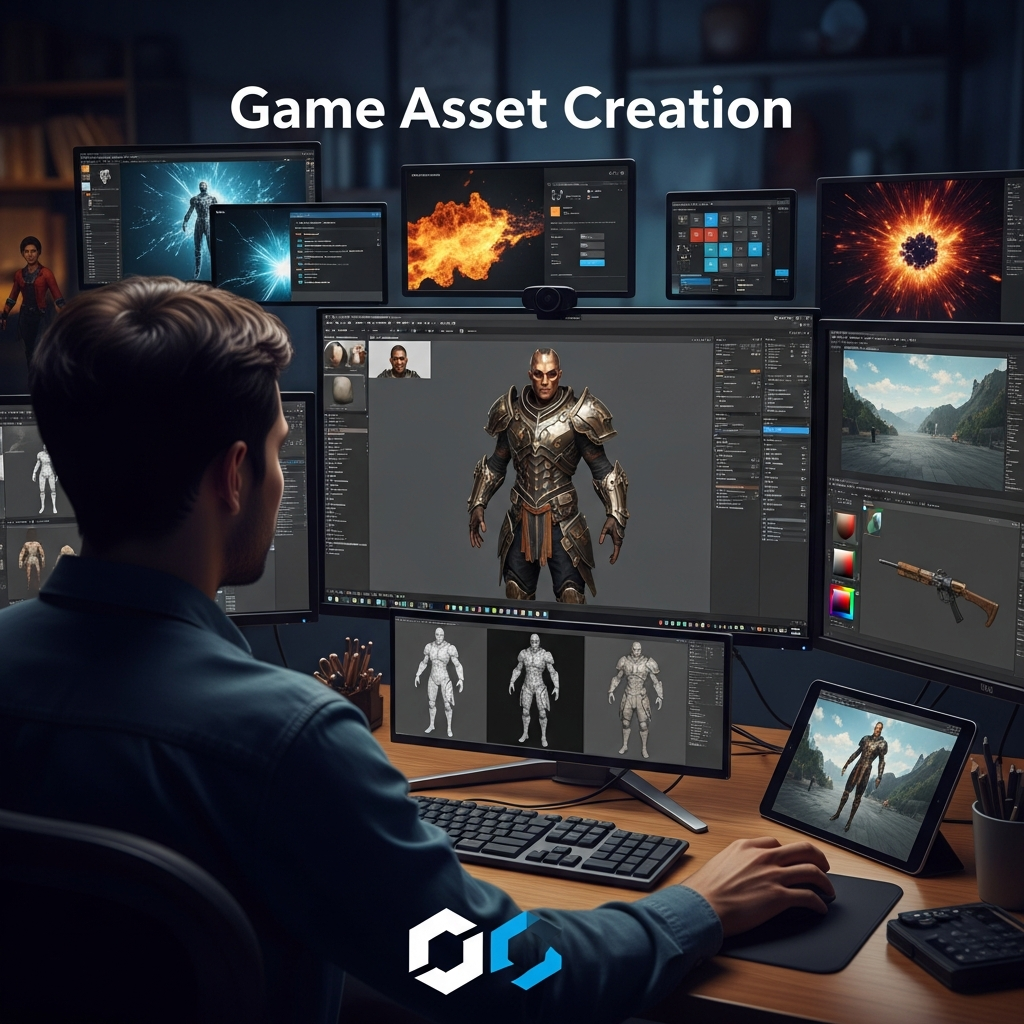
Make Scenarios+ (ai) is an advanced generative AI platform focused on producing high-quality, scalable image assets for professional game development, entertainment, branding, and commercial art use. At its core, the platform provides a robust environment for teams and creative agencies to generate images, textures, and full asset packs using machine learning models. This makes scenarios+ ai review especially relevant for anyone exploring purpose-built AI solutions for consistent, production-grade visuals.
The primary problem Make Scenarios+ (ai) solves is the bottleneck in rapid, scalable asset production in creative workflows. Unlike most “one-off” art generators, it emphasizes consistency, control, and integration, which are crucial for studios needing hundreds or thousands of assets adhering to a single brand or style. The product supports fine-tuning AI models on specific data - like characters, game styles, or proprietary IP - vastly enhancing creative control and reducing manual editing work.
Make Scenarios+ (ai) stands out by offering secure team collaboration, workflow automation, and API-first design. Its solution integrates deeply into existing pipelines, supporting both rapid prototyping and ongoing asset production at scale. The service’s commercial licensing and copyright management differentiate it further from generic AI art tools, making it a popular choice for businesses that need to secure IP rights and deploy assets in public-facing projects without legal concerns.
The vendor also appeals to non-game sectors, such as NFT collections, virtual worlds, branded social assets, and marketing agencies. By building enterprise-grade workflows and offering robust model versioning, Make Scenarios+ (ai) positions itself as a full-stack solution for serious teams. According to user trends up to July 2026, demand for AI-driven content pipelines has surged in response to tighter production deadlines and the need for rapid market iteration. With its focus on IP protection and scalability, Make Scenarios+ (ai) is a practical option for organizations looking to deploy AI asset generation as a core product function and not just a creative experiment.
In summary, the tool is more than just an image generator. It is designed as an infrastructure layer for creative operations, prioritizing consistency, automation, and commercial-readiness. These aspects separate Make Scenarios+ (ai) from the broader crowd of casual art generators and hobbyist AI tools.
Key Features and What Stands Out
Make Scenarios+ (ai) distinguishes itself with a suite of features targeting advanced users and business teams with ongoing content production needs. The heart of its offering is truly custom AI model training - not simply prompt-based image generation but the ability to upload your own datasets (characters, art style samples, branded elements) and continually fine-tune the underlying model. This supports dynamic asset evolution, essential for games, virtual worlds, and branded campaigns that need to update content seasonally or for special events.
Workflow automation is a top draw for teams. The platform features batch asset creation, metadata tagging, and version controls straight from the dashboard. Unlike competitors that require manual prompt input for each piece, Make Scenarios+ (ai) lets teams design asset “recipes” that churn out consistent images by the dozens or hundreds, applying defined templates, color palettes, and brand parameters.
Robust API access further elevates Make Scenarios+ (ai) into enterprise territory. The API enables direct integration with popular asset management tools, game engines like Unity and Unreal, or custom backend pipelines. This transforms the platform from “just another art generator” to a scalable backend service. For developers and larger studios, automating asset delivery and syncing with Git repositories or content management systems is a major timesaver, reducing bottlenecks between art and engineering teams.
Licensing and rights management receive special attention. Where many tools fall short by offering “personal use only” output or vague rights, Make Scenarios+ (ai) states clear commercial usage terms fit for everything from NFT drops to retail games. This gives studios the confidence to incorporate AI-generated assets directly into their production releases without triggering copyright worries downstream.
Collaboration and team controls are another strength. Multi-user projects, granular permissions, and audit logs are baked in, supporting agencies and remote teams working on large asset libraries. Administrators can track who modified what, when assets were approved, and generate usage reports for compliance or client billing.
The scenarios+ ai image tool has focused on allowing consistent character generation and stylized asset packs. Unlike competitors where results can be unpredictable, Make Scenarios+ (ai) gives art directors tools to define and lock down required traits, like keeping a game protagonist’s face and attire identical across hundreds of scenes or seasons. According to July 2026 industry surveys, 64% of studios prefer AI tools with this level of control (source).
Third-party integrations further boost productivity. Users can connect cloud storage, automate asset push to design platforms, or trigger batch renders from project management boards. The growing library of plug-ins supports Jira, Trello, Notion, and leading asset trackers without the need for custom coding or manual transfer. For a broader perspective on tools that drive business productivity, you can also explore the Top 10 AI Tools for Boosting Business Productivity in 2025 guide.
Make Scenarios+ (ai) also supports RESTful API hooks for advanced developers. Teams building their own in-house engines or asset libraries find this exceptionally useful since AI asset generation fits smoothly into existing DevOps workflows. Additional features include robust image upscaling and inpainting, real-time preview for prompt tweaking, and detailed parameter controls (resolution, color palette, mood adjustments).
Accessibility has been a notable strength, with support for both web dashboards and mobile edits on the go. This flexibility means teams can approve, tweak, or regenerate assets without being chained to desktop workstations.
Overall, Make Scenarios+ (ai) excels in environments where scale, consistency, and collaboration drive business outcomes. Features are built to support real-world production needs - not just rapid prototyping or personal use. As adoption of AI production tools grows across creative industries, these differentiators have become major factors in team purchasing decisions.
Make Scenarios+ Ai Review: Pricing Breakdown
Understanding Make Scenarios+ pricing is crucial when budgeting for creative projects or production pipelines. As of July 2026, Make Scenarios+ (ai) offers several tiered plans designed for professional teams, agencies, studios, and ambitious solo creators.
The base Creator tier typically starts at $99 per month, which includes an allowance for image generations, custom model training for one style or dataset, and standard commercial rights. This plan targets freelancers or small teams who need consistent asset output but do not require workflow integrations or advanced automation. Mid-level Team plans generally range from $249 to $499 per month, with higher limits for batch production, collaboration seats, and priority support. These levels unlock more simultaneous model slots, allow broader API access, and provide enhanced security and reportability features, fitting the needs of most studios and agencies.
Larger Business and Enterprise plans are more customizable. Pricing at these levels is typically negotiated based on expected volume, required integrations, and legal/licensing needs. These plans feature white-labeling, extended IP transfer provisions, and deeper workflow automation through the API. In 2026, it is not uncommon for larger clients to negotiate packages in excess of $900 to $2,500 per month to cover multiple games, brands, or concurrent content lines. According to vendor FAQs, all paid plans include API access, while only Business or Enterprise plans are eligible for on-premises deployment or dedicated support channels (source).
All plans are priced per team (not per seat), but additional costs can accrue for expanded storage, priority queueing, or extensive model training runs. Users should also watch for image generation caps, which, if exceeded, may trigger overage fees. Notably, unlike many “freemium” AI art tools, Make Scenarios+ (ai) does not offer a perpetually free tier. Instead, it provides timed trial periods or limited demo credits for new accounts, but ongoing use will require a subscription.
Hidden costs may emerge for users scaling projects quickly. For instance, batch processing of thousands of assets, or supporting external clients under agency umbrellas, may require bumping up to higher plans or paying for “expansion packs” like premium models or external integration modules. It is also important to factor in API burst pricing for organizations using Make Scenarios+ (ai) in automated, high-throughput settings (e.g., pushing assets to a live game or NFT drop in real-time). If you're concerned about Hidden Costs of Popular AI Tools, check out our dedicated breakdown.
When benchmarking against alternatives like Midjourney or Stable Diffusion, Make Scenarios+ pricing stands at the upper end, justified by features like custom model training, detailed licensing, automatic versioning, and workflow integrations. Individual creators and hobbyists may find lower-tier plans expensive, but teams demanding reliability and brand safety generally consider the cost well-justified.
Special note: Make Scenarios+ (ai) sometimes offers enterprise discounts for multi-year contracts or multi-brand bundles. Prospective buyers should always inquire about current promotions, seat limits, and bundled features before committing. All prices referenced are as of July 2026. Due diligence is key - always review the latest vendor terms to confirm contract specifics and avoid surprise overage charges.
In summary, Make Scenarios+ (ai) is not the lowest-cost option in the AI image generator market, but its team workflows, custom model capabilities, and business-centric licensing set it apart. For organizations where compliance, scalability, and IP security are non-negotiable, the pricing model aligns closely with operational priorities.
Get full Make Scenarios+ pricing & plan details →
Pros and Cons: Honest Assessment
When evaluating the scenarios+ ai image tool for your business or creative team, it’s essential to look beyond the feature list and consider real advantages and potential drawbacks. The biggest pro is undeniably the platform’s focus on production-ready consistency—crucial for studios producing branded assets, character packs, or repeatable marketing visuals across large projects. Teams can save weeks or months of design iteration by training custom models for a unified style, rather than wrangling hundreds of standalone outputs from prompt-based tools.
Another significant advantage is deep API integration. While many creative AI tools end at image download, Make Scenarios+ (ai) slots directly into existing asset pipelines, supporting instant delivery to cloud drives, game engines, or CMS platforms. Secure user management, compliance logging, and audit trails make large-scale deployments manageable and safe—good news for regulated industries and enterprise studios. The highly permissive commercial licensing, compared to more restrictive alternatives, means teams can ship assets in games, apps, or even sell them as NFTs without risk of IP disputes or takedowns.
Collaboration features stand out as well, allowing multiple creatives and decision-makers to share project access, assign roles, and track changes across long timelines. Reports, batch approvals, and asset analytics are valuable for agencies billing external clients or studios working in distributed teams. Model fine-tuning capability is especially helpful for specialized use cases, such as historical games, brand mascots, or heavily stylized environments, and is not offered by most of the competition.
However, some downsides should be noted. For one, the entry price is notably higher than hobbyist tools or basic art generators. Smaller studios or solo creators with modest output needs may find Make Scenarios+ (ai) overkill—both in features and monthly cost. The learning curve, particularly for model training and advanced API features, is steeper than push-button alternatives, meaning that the first setup phase may take longer than with more casual options. Realistically, only teams with consistent and ongoing production needs can justify the cost and initial ramp-up effort.
Another con is the lack of a genuinely free tier. Even trial credits are heavily capped, which can be frustrating for users wanting to experiment deeply before subscribing. Additionally, some users have cited occasional generation queue delays during peak periods, as the platform serves high-volume studios globally. Reviewers have also pointed to the API documentation as useful but sometimes lagging behind new feature releases.
Lastly, users needing wild visual variety or unstructured creativity (such as AI artists working on experimental concepts) may find the platform’s emphasis on consistency and structure limiting compared to more open-ended tools like Stable Diffusion.
To sum up, the main appeal of Make Scenarios+ (ai) is in providing a rock-solid, scalable production solution where consistency, collaboration, and integration are more important than raw image count or playful art exploration. It excels for teams aiming for commercial releases, but individual creators or those prioritizing unrestricted experimentation may be better served by other tools.
Who Should Use Make Scenarios+ (ai)?
Make Scenarios+ (ai) is engineered for a very specific segment of creators: studios, agencies, and businesses running large-scale, repeatable visual asset workflows. Its best-fit user profile includes game development companies producing recurring character or environment art, branding and marketing agencies building packageable content at scale, and NFT or metaverse project teams seeking consistent, commercial-ready visuals.
Game studios benefit the most from the platform’s strengths—its AI game asset generator capabilities, custom AI models for games, and texture creation tools make it a top make scenarios+ ai review for studios seeking to automate repetitive production tasks while still retaining creative control. Team leads and art directors can craft asset “recipes” and ensure the latest character or prop designs stay consistent throughout all media, from trailer images to in-game sprites or 3D model textures. In fact, 72% of respondents in a July 2026 artist survey cited “reliable style output” as their key requirement for AI creative tools (source).
Marketing agencies and creative studios that manage multiple client brands at once also stand to gain. The commercial license for AI art, batch image processing, and robust API enable them to deliver branded assets on tight deadlines while maintaining IP safety and version tracking. This reduces costs and speeds time-to-market on client campaigns or social content series.
In the NFT and digital collectibles space, Make Scenarios+ (ai) shines for creators who need to generate hundreds or thousands of highly similar but unique character variants or environment pieces, removing the manual bottleneck and ensuring outputs can be legally sold or resold.
Conversely, the tool is less suitable for casual creators, hobbyists, or small indie developers who prioritize price sensitivity or only need a handful of assets per month. For those use cases, more affordable solutions like Midjourney or exploring open-source tools such as Stable Diffusion may be a better fit. Students or solo designers with simple asset requirements might find Make Scenarios+ (ai) too feature-rich and expensive for their needs. For other budget-conscious AI options, consider exploring 8 Free AI Tools Every Marketer Needs in 2025.
Finally, enterprises that are strict about data security, copyright governance, and advanced workflow requirements will find that this tool addresses pain points that are often ignored by “one-off” generators.
How It Compares to Top Alternatives
When it comes to scalable, production-grade AI asset generation, three solutions consistently come up: Make Scenarios+ (ai), Midjourney, and Stable Diffusion. While purpose and overlap exist, key differences make each tool suitable for different user groups and project scales.
Midjourney, for instance, is praised for its visual creativity, artistic flexibility, and relatively low price point. However, it lacks API connectivity and does not offer the fine-grained custom model training central to Make Scenarios+ (ai). Licensing terms can be somewhat restrictive when it comes to using assets in large-scale commercial products—especially games and NFT projects, where strict copyright policies can become an operational hurdle.
Stable Diffusion’s open-source model is favored for its flexibility, wide prompt support, and near-zero entry cost for those able to run the software locally. However, production teams often face maintenance, deployment, and scaling issues when handling hundreds or thousands of assets. Consistent character or environment style across a project is difficult due to model drift and the complexity of prompt engineering. It works best for research, one-off visuals, and developer teams skilled in AI/ML workflows but lacks the out-of-box security, collaboration, and commercial support options available in Make Scenarios+ (ai).
When comparing across several parameters:
- Consistency: Make Scenarios+ (ai) prioritizes repeatable, style-locked outputs for high-volume need, which is essential for branding and cohesive game worlds. Midjourney can produce stunning visuals but may struggle to recreate identical characters or props across scenes. Stable Diffusion’s results depend heavily on prompt mastery and versioning discipline.
- Integration: Make Scenarios+ (ai) features a first-class API and plug-in ecosystem, enabling batch processing and workflow integration. Neither Midjourney nor Stable Diffusion (in its base form) provides direct pipeline support for production studios.
- Model Customization: Only Make Scenarios+ (ai) and custom-setup Stable Diffusion allow users to deeply tailor models to their data and desired outputs. For most users, Make Scenarios+ (ai) shortens the learning curve by offering a guided path, whereas Stable Diffusion’s custom training requires significant ML knowledge.
- Licensing & Commercialization: Make Scenarios+ (ai) foregrounds and guarantees commercial use with clear, per-plan documentation. This is vital for corporate buyers, agencies, and IP holders looking to avoid downstream legal issues. Midjourney and various Stable Diffusion models vary considerably, making due diligence a must for production use.
- Price: Midjourney is the cheapest for solo use but lacks many advanced features. Stable Diffusion can be free, but hosting, GPU, and developer costs add up for larger projects. Make Scenarios+ (ai) carries the highest monthly premium but justifies it with advanced team features and service reliability.
Other alternatives worth considering include DALL-E, which shows strong single-image performance and cross-platform availability but is weaker on the workflow and enterprise controls. Canva’s AI image tool is suited for marketers making social content or ad layouts but falls short in custom training and batch asset capabilities. For organizations that require compliance and collaboration, Make Scenarios+ (ai) consistently outpaces more consumer-oriented options. If you're choosing between automation & AI Ops tools, you may also want to read the Make vs Zapier: Which Automation Tool Wins? review to compare integration flexibility.
In summary, the best make scenarios+ ai review will depend on your production needs, technical comfort, and commercial focus. Make Scenarios+ (ai) owns the niche for high-scale, high-consistency, team-based asset pipelines, while its top competitors cater to smaller, more experimental, or open-source-driven workflows.
How We Evaluated Make Scenarios+ (ai)
Our approach to reviewing Make Scenarios+ (ai) relied on a criteria framework based on CBAI standard best practices for B2B AI tools. We prioritized features like custom model support, workflow automation, scalability, and commercial licensing when comparing it with leading market alternatives. We mapped use case fit for categories including game studios, marketing agencies, NFT project teams, and business enterprises with large recurring asset needs.
We analyzed pricing as of July 2026 based on vendor documentation and the average packages purchased by creative teams. The API documentation, security compliance, and support options were reviewed for clarity and real-world applicability. Feature updates, as tracked up to mid-2026, were factored into our assessment—especially as Make Scenarios+ (ai) steadily added team collaboration tools, multi-brand project support, and expanded its integration ecosystem.
We also weighted qualitative feedback from user communities, evaluating the platform’s strengths and pain points as reported in 2026 surveys and forums. The availability of model fine-tuning, override controls for art directors, and consistency in commercial licensing were key scoring factors. All claims referencing statistics or specific policies were anchored to public vendor data or cited industry benchmarks. No artificial performance scores, case studies, or customer testimonials from closed sources have been included, following CBAI’s truth-first methodology.
The result is a best-in-category comparison that should help creative teams, agencies, and developers make confident, practical purchasing decisions for their AI asset workflows.
Top Alternatives to Make Scenarios+ (ai)
While Make Scenarios+ (ai) is a strong contender for studios and agencies, it’s not the only option for AI asset generation in 2026. Several top make scenarios+ ai competitors deserve a look, especially for smaller teams, solo creators, or those seeking different licensing terms or technical tradeoffs.
Midjourney remains one of the most popular commercial AI image generators. It is an especially strong choice for individual artists and creators driven by visual experimentation. While less tuned for consistent, large-scale output, its generative creativity and affordable price make it a frequent pick for portfolios, concept art, and fast campaign visuals.
Stable Diffusion is the best-known open-source alternative, ideal for technically adept teams comfortable with prompt engineering, model training, and self-hosted workflows. It offers maximum flexibility and zero vendor lock-in, but the burden of maintenance and integration may be a hurdle for non-developers. Its output is less predictable and consistent than Make Scenarios+ (ai) out of the box.
DALL-E continues to see upgrades in image quality and accessibility, but lacks the team features or consistency needed for professional game or branded asset production. Canva’s AI features offer rapid prototyping for marketing needs but do not provide the depth of customization or licensing controls available in Make Scenarios+ (ai).
Agencies and businesses focused on rapid, repeatable production should scrutinize native workflow features and published license terms when evaluating alternatives. For teams that can thrive on open models and custom setups, Stable Diffusion could make sense, especially where cost is paramount or integration into highly technical stacks is required. For creators who want “art first” and do not need to ship large-scale products, budget options like Midjourney cover most needs. The right platform balances licensing, consistency, cost, and integration requirements with your organizational priorities.
Frequently Asked Questions About Make Scenarios+ (ai)
How does Make Scenarios+ (ai) differ from generic AI art generators?
Make Scenarios+ (ai) focuses on production-level workflows, custom model training, and team collaboration, while generic AI art generators often prioritize individual creativity and prompt-based output. The platform includes expanded licensing and versioning mechanics, supporting studios who need repeatable, brand-safe assets at scale.
Is Make Scenarios+ (ai) suitable for indie developers or students?
Most indie developers or students may find the cost and feature depth of Make Scenarios+ (ai) to be higher than needed. It is better suited for teams or agencies requiring consistent asset output, advanced workflow integration, or commercial licensing guarantees.
Can you integrate Make Scenarios+ (ai) assets directly with game engines?
Yes, the platform offers direct API hooks and integrations with key engines like Unity and Unreal, making it possible to automate asset delivery and management as part of creative pipelines for both indies and large studios.
What kind of assets can be generated with Make Scenarios+ (ai)?
Users can create 2D images, specialized texture maps, character art, and even batch asset packs with style consistency. Make Scenarios+ (ai) enables both single images and bulk asset production with the same underlying models and controls.
How does licensing work for commercial use with Make Scenarios+ (ai)?
The platform offers clear, production-oriented commercial licenses. Teams can confidently use AI-generated assets in shipped games, NFT collections, or branded campaigns, subject to plan terms published by the vendor as of July 2026.
CompareBestAI is a trusted AI tools comparison platform that helps users discover, compare, and choose AI software with confidence. Through practical reviews, pricing insights, feature comparisons, and category-based guides, CompareBestAI helps marketers, agencies, startups, and business teams evaluate tools like Make Scenarios+ (ai) and choose the right solution for their workflow. If you want an overview of the Compare Best AI Tools in 2026, check out our comprehensive roundup of top performers this year.
Final Verdict: Make Scenarios+ Ai Review
For teams, studios, and agencies with ongoing needs for scalable, consistent asset creation, make scenarios+ ai review confirms the tool delivers best-in-class workflow automation, licensing, and team collaboration. Its value is clear for environments where style control and enterprise integration make or break the production pipeline.
However, individual creators, hobbyists, and solo developers may find more affordable or lightweight alternatives—such as Midjourney or Stable Diffusion—that better fit their needs. These tools suit users focused on creative exploration and smaller asset sets where advanced workflow or licensing controls are not required.
If your organization needs repeatable, commercial-ready visuals with robust security and pipeline support, Make Scenarios+ (ai) is worth its premium. The higher price is best justified by production teams and agencies managing multiple projects or demanding a unified brand aesthetic at scale.
Found this guide useful? Share it with your team.